
RESILIENT RELATIONSHIPS, SHARED GOALS, LASTING IMPACT
Linking Data, Informing Policy
Researchers in the College of Liberal Arts partnered with local health and housing agencies to better understand how people experiencing houselessness use emergency care. By securely connecting data from multiple sources, the team found high rates of emergency room visits, showing the need for better coordination to guide policies that support housing and health care solutions.
Designing inclusive cancer care
Researchers in the College of Health are partnering with younger adults, LGBTQ+ people and rural residents to improve cancer care and support. By listening to lived experiences and building trust, the team designs inclusive programs that address real-life barriers — helping all survivors heal and thrive after treatment.
Elevating multilingual learners in literacy education
The College of Education created “Teaching Early Literacy from a Multilingual Perspective” to equip K–5 educators with culturally responsive strategies. Developed through the ALK-8 program, the course is offered via Oregon State Professional and Continuing Education and is the only professional development option in Oregon focused on multilingual literacy instruction.
Expanding computer science for all
OSU–Cascades and partners are broadening access to computer science in Oregon schools. With $628,000 in state support, they are creating inclusive K–12 curricula and training educators statewide to bring computational thinking and high-quality computer science instruction to every student, from elementary through high school.
Building pathways to higher education
Access OSU partners with families, students and community organizations in the Portland Metro area to make college more accessible and inclusive through programs and experiences that open doors, build confidence and guide students toward their next steps in education. This effort is a collaboration between the Division of Extension and Engagement, Student Affairs, the Office of Institutional Diversity and Enrollment Management and key partners such as the OSU Foundation, Alumni Association and Access OSU Community Advisory Council.
Highlighting engagement through curated collections
OSU Libraries and Press partnered with the Division of Extension and Engagement to provide print and electronic materials through the OSU Extension and Engagement Collection. Curated by Extension and Engagement, the collection features resources that support a variety of community engagement efforts. OSU Libraries is responsible for housing and lending the print materials, as well as purchasing and managing access to electronic resources.
Strengthening community through physical therapy
Doctor of Physical Therapy students at OSU–Cascades partner with Central Oregon organizations to address local health challenges. Through new community-engaged courses, students apply physical therapy knowledge in collaborative projects — enhancing public well-being while developing as compassionate, civically engaged professionals.
Turning waste into fuel on Oregon farms
Students in the College of Engineering, in collaboration with OSU Extension and the College of Agricultural Sciences, are partnering with rural communities to convert agricultural plastics into usable tractor fuel. Through hands-on demonstrations and local collaboration, the Plastics to Fuel project explores sustainable, small-scale recycling solutions that reduce waste, cut farm costs and engage students in real world innovation and outreach.
Providing community health screenings
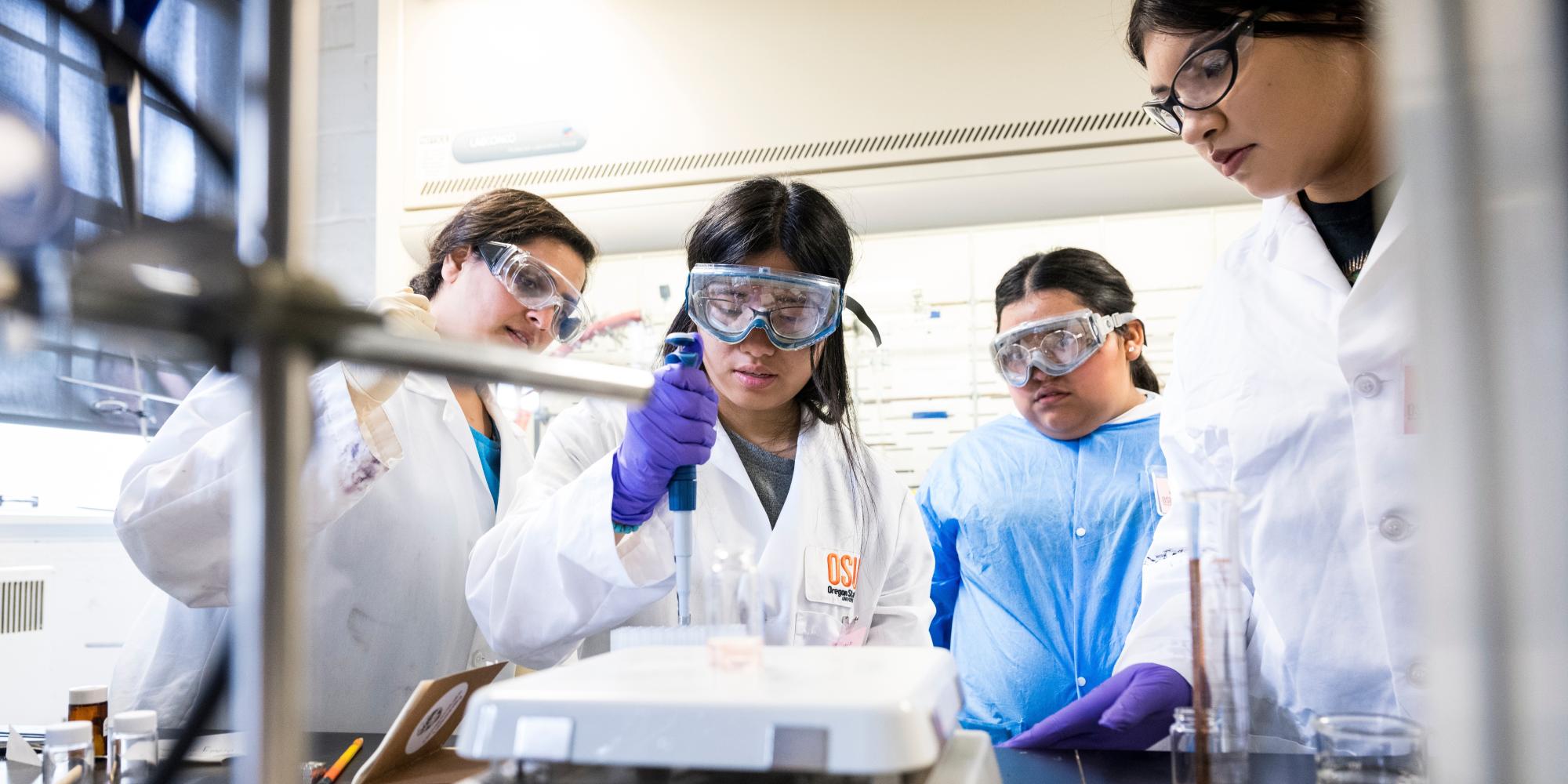
Throughout the 2024–25 academic year, College of Pharmacy students held 14 public events at farmers markets, food banks and clinics. They screened 215 people for blood glucose and 118 for hypertension, offering accessible health checks and promoting wellness across diverse community settings.
Advancing artificial intelligence through real-world projects
Graduate students in the College of Engineering partner with industry and researchers on nine-month capstone projects. From predicting urban noise to creating AI tools for industry, startups and classrooms, students gain hands-on experience while delivering innovative solutions that prepare them for careers in AI.
Gaining veterinary skills through global service
Faculty in the Carlson College of Veterinary Medicine and the College of Agricultural Sciences created a study abroad program in Mexico where students worked alongside licensed veterinarians to provide free care for more than 600 animals. The program offers hands-on training, cultural exchange and community education — helping students bridge the gap between coursework and real-world practice while inspiring future service in rural communities.
Expanding career paths in geographic information systems
With support from a state grant, the College of Earth, Ocean, and Atmospheric Sciences and the Career Development Center in the Division of Student Affairs partnered to advance the GIS-STEP program. The program builds industry connections and internships across Oregon, giving students valuable experience while supplying employers with skilled talent.
Bridging college and career support to students and families
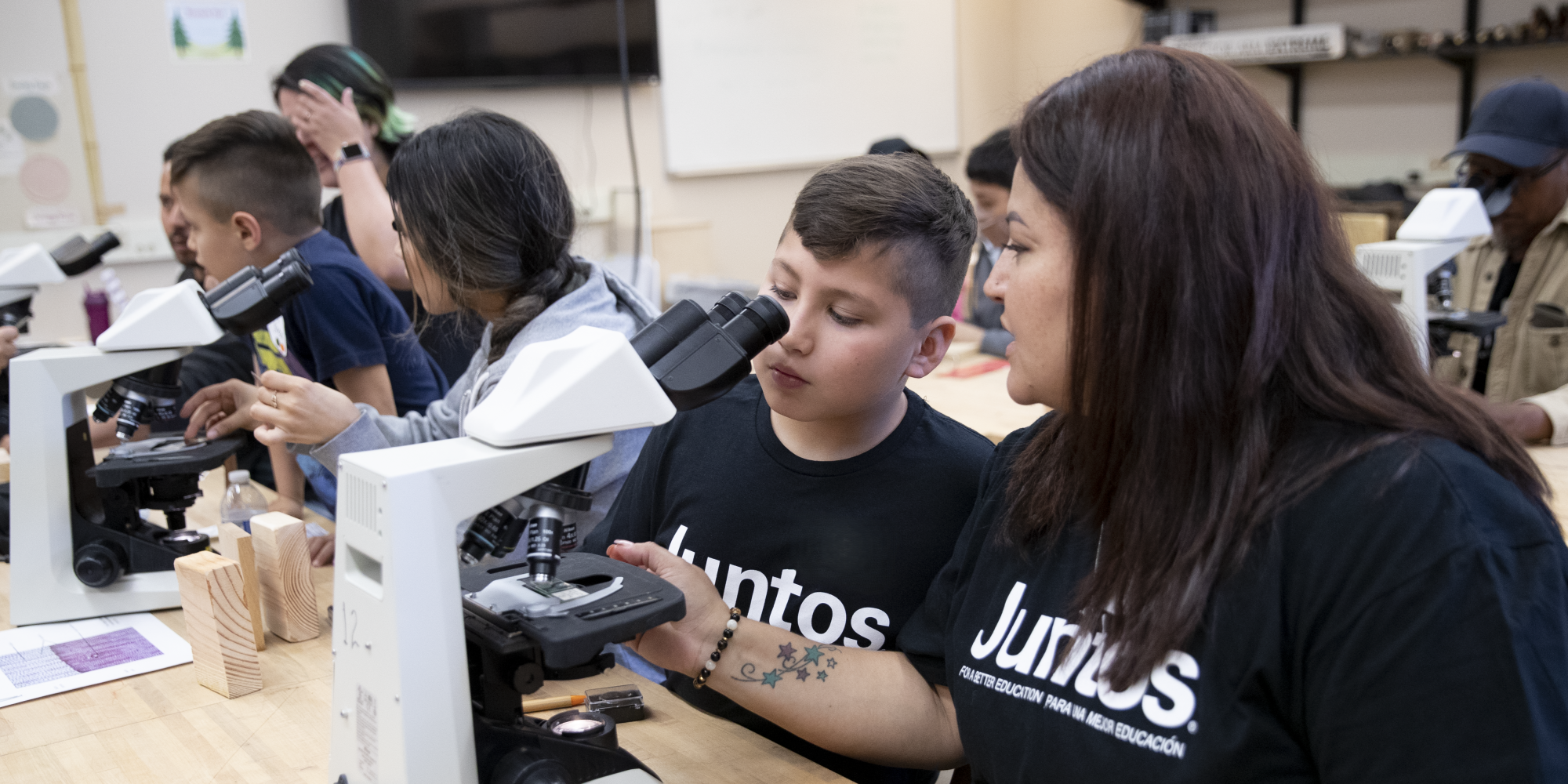
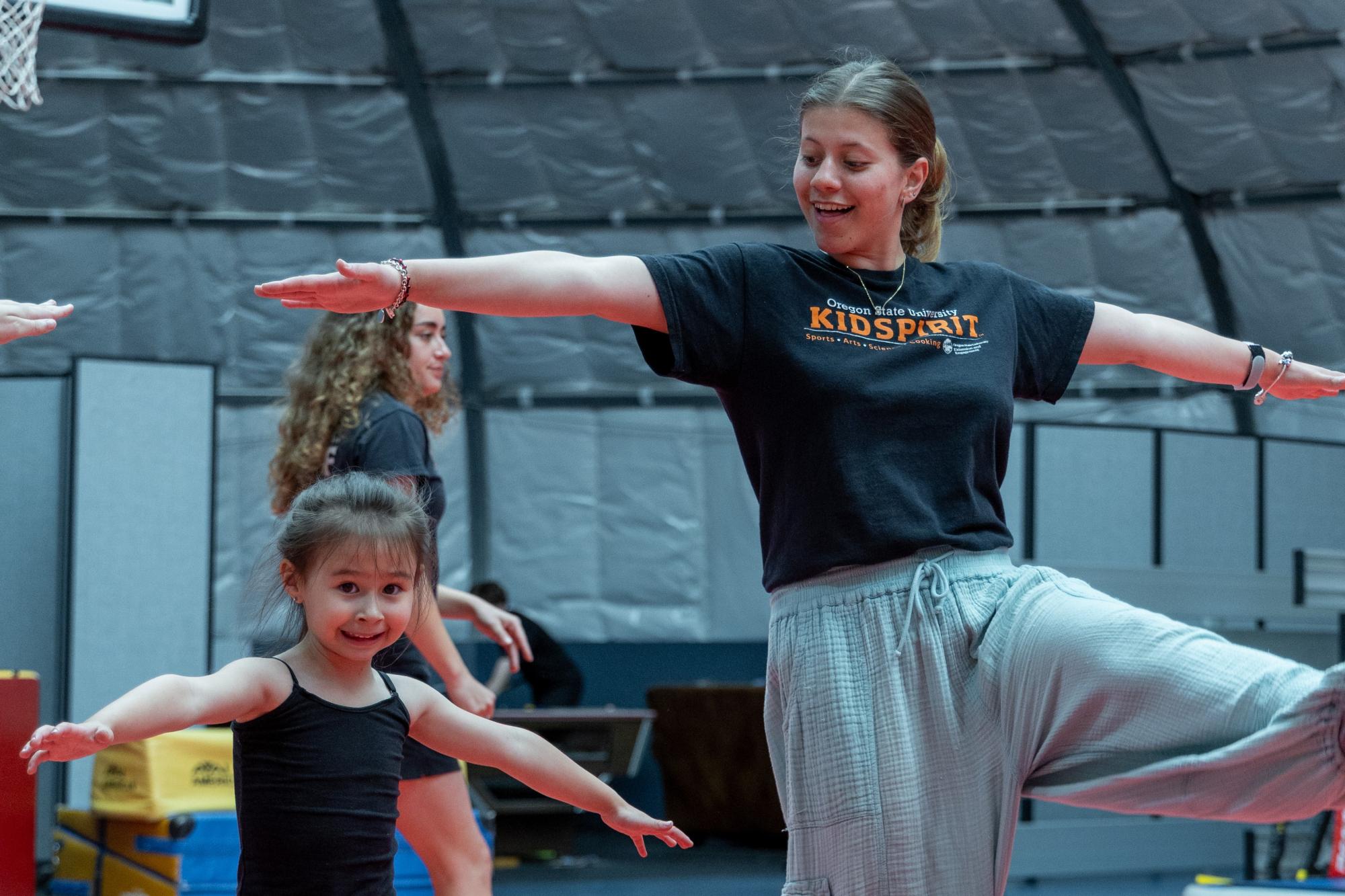
OSU Extension’s Open Campus and Juntos programs work alongside community partners to develop programming and support that directly address local challenges and opportunities. They create space for innovative programs that strengthen Oregon communities with dedicated higher education, career and trades support — which are especially impactful in rural and other marginalized regions.
Modeling disease to strengthen community resilience
Ben Dalziel, a population biologist in the College of Science, is developing “immune systems for cities” using real-time sensing, predictive modeling and community partnerships. A series of workshops in cities across Oregon revealed residents’ need for timely data and better communication. Building on Oregon State’s TRACE COVID-19 program, the team creates tools to detect outbreaks early, guide equitable responses and help communities prevent future public health crises before they escalate.
Advancing restorative mariculture
A project of Oregon Sea Grant and the College of Earth, Ocean, and Atmospheric Sciences, the Oregon Coastal Mariculture Collaborative brings together nonprofits, universities and industry to expand support for sustainable shellfish and seaweed aquaculture. Efforts focus on education and outreach, research to understand potential expansion and novel techniques, and identifying policy solutions to strengthen Oregon’s coastal mariculture sector.
Boosting Oregon tech professionals with online degrees
A new collaboration between Ecampus in the Division of Educational Ventures and the Technology Association of Oregon gives 90,000 tech employees and their spouses access to tuition scholarships to earn a degree, certificate or microcredential online. With more than 120 programs online, top-ranked Ecampus helps professionals statewide build skills in high-demand fields such as data analytics, business and engineering.
Strengthening coastal resilience
The Cascadia Coastlines and Peoples Hazards Research Hub (CoPes Hub), led by the College of Earth, Ocean, and Atmospheric Sciences and partners, unites scientists, Tribal nations and communities to address coastal hazards such as earthquakes, tsunamis and sea-level rise. With $18.9 million in National Science Foundation funding, it advances research, equity, education and preparedness across the Cascadia region.
Advancing digital equity across Oregon
The Oregon Broadband Equity Coalition — launched in 2024 through OSU Extension, Link Oregon and Rural Prosperity Partners — unites communities, organizations, businesses, local government representatives and policymakers to expand digital access. A subgroup focuses on issues and resources for K–12 AI education. By fostering collaboration, OBEC helps ensure everyone in Oregon can participate fully in today’s connected society.
Creating curriculum for belonging
Researcher Patricia Fifita in the College of Liberal Arts is co-developing the state’s first K–12 social studies curriculum focused on Pacific Islander and Native Hawaiian histories and cultures. Through community input and cultural storytelling, the project seeks to increase representation, dispel stereotypes and foster belonging among students — inspiring change beyond Oregon.
Guiding post-fire research through local voices
After a major wildfire struck the H.J. Andrews Experimental Forest, researchers in the STEM Research Center launched a case study to involve the local community in shaping future research. By sharing knowledge and planning together, the project fosters long-term, reciprocal relationships that guide ecological research and wildfire resilience across the Pacific Northwest.
Advancing equitable K-8 learning
The College of Education partnered with the Oregon Department of Education to address unfinished math and literacy learning from the COVID-19 pandemic. The Equitable Accelerated Learning K–8 Project funded 16 educator-led initiatives across 99 districts, culminating in a statewide summit that shared locally tailored strategies to reduce educational inequities.
Protecting children from environmental hazards
The ASPIRE Center in the College of Health leads efforts to reduce children’s exposure to environmental hazards such as smoke, lead and unsafe water. Through research, community partnerships and education, ASPIRE translates science into practical solutions for healthier homes, schools and neighborhoods — especially for vulnerable populations across Oregon and beyond.
Advancing community-led resilience and peacebuilding
Laura Peters, assistant professor in the College of Earth, Ocean, and Atmospheric Sciences, leads participatory research on community health in Zambia, environmental peacebuilding in the Middle East and preventing disasters through disaster risk reduction in fragile and armed conflict contexts. Her projects engage global partners and Oregon State students, producing tools, publications and trainings that strengthen resilience, collaboration and well-being worldwide.
Blending knowledge to restore the Klamath River
Faculty in multiple colleges, including the College of Engineering and the College of Agricultural Sciences, and the Yurok Tribe co-led research on the Klamath River’s health before, during and after dam removal. By blending Indigenous and Western knowledge, they are building trust, informing water decisions and training students — creating a model for inclusive, community-driven river management.
2025–2026 Engagement Council
- Sam Angima, College of Agricultural Sciences
- John Becker-Blease, College of Business
- Glencora Borradaile / Brady Gibbons*, College of Engineering
- Emily Bowling, Student Success and Engagement
- Marina Denny, Chair, Division of Extension and Engagement
- Erica Fleishman / Michael Harte*, College of Earth, Ocean, and Atmospheric Sciences
- Emily Henry / Jeff Sherman-Duncan*, Division of Extension and Engagement
- Julie Judkins, OSU Libraries and Press
- Michelle Klampe, University Relations and Marketing
- Sarah Kolesar, Oregon Sea Grant
- Shannon Lipscomb, OSU–Cascades
- Phil McFadden, College of Science
- Allison Myers, College of Health
- Holly Ober / Scott Leavengood*, College of Forestry
- Julie Risien, Office for Research and Advancement
- Kate Sanders / John Valva*, OSU Alumni Association
- Laura Saxe-O’Brien, College of Education
- Stacy Semevolos, Carlson College of Veterinary Medicine
- Elizabeth Simmons, Career Development Center
- Zachery Spire, Division of Extension and Engagement
- Kevin Stoller, Honors College
- Rob Stone, OSU IMPACT Studio
- Temmecha Turner, Office of Institutional Diversity
- Megan Ward / Kathryn Becker-Blease*, College of Liberal Arts
- Steve Wuhs, Office of Academic Affairs
*Council member from 2024-2025